Unlocking the Full Value of Generics and Biosimilars with a Smarter Marketplace Model
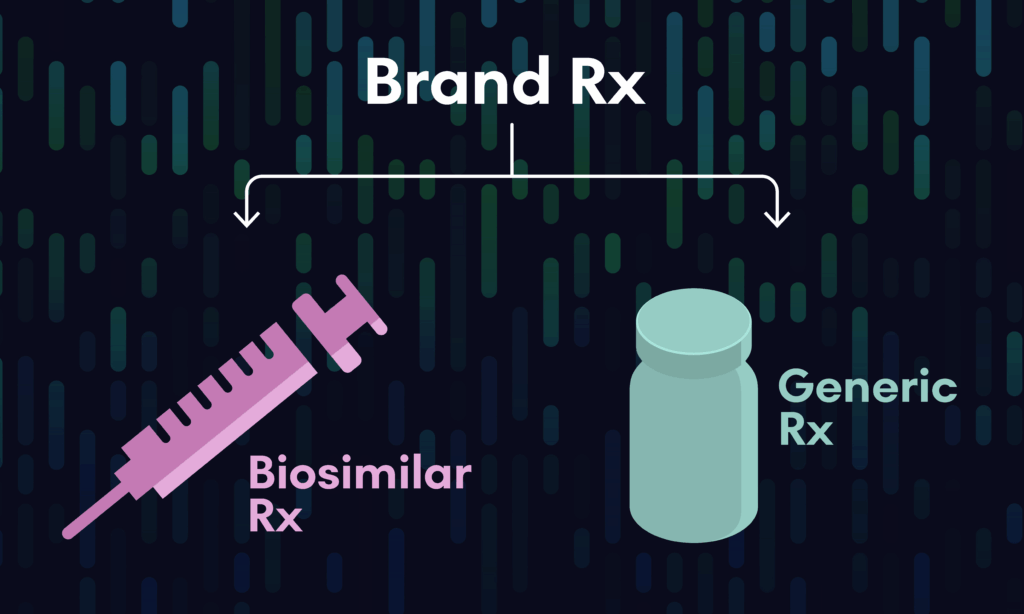
As healthcare stakeholders continue to look for scalable cost-saving solutions, the role of generics and biosimilars has never been more important. These lower-cost alternatives deliver proven value by introducing competition and driving down drug prices, but realizing their full potential requires more than availability. It requires intentional strategies, smart infrastructure, and proactive adoption efforts.
Waltz has introduced the concept of the “payer hub” to describe our centralized, intelligent model that connects payers and their members to the most cost-effective options in real-time. Our payer hub, and the marketplace frameworks it supports, turns the opportunity of generic and biosimilar availability into measurable value.
The Cost-Saving Power of Generics and Biosimilars
Generics and biosimilars contribute to lower drug costs through both market dynamics and regulatory efficiencies. Unlike brand drugs, these follow-on products can leverage existing clinical data and streamlined FDA approval processes to reduce the cost and time it takes to enter the market. That means they’re primed to introduce competition faster and at lower prices.
For small molecules, the first generic typically lowers prices by ~40% compared to the brand. With increased competition, this can climb to as much as a 95% reduction, depending on the drug and number of entrants.
Biosimilars, or large-molecule biologics, typically start with a 15–35% price reduction from the reference product. But with broader market uptake, discounts can approach 55% or more. We’ve seen this across provider-administered drugs in rheumatology (Remicade biosimilars), oncology (Rituxan, Herceptin, Avastin), and ophthalmology (Lucentis and Eylea biosimilars). More recently, commercial launches of self-administered biosimilars, like those for Humira, have delivered price drops of up to 95% off list price. We can expect similar dynamics as biosimilars for Stelara hit the market in 2025.
Adoption Matters
Over the past 50 years, brand-to-generic conversions have become second nature in healthcare. This is thanks to a combination of policy support, patient and physician education, and payer-driven coverage strategies. By 2010, prescribers were writing “dispense as written” brand scripts only 2.5% of the time.
But biosimilars, despite being on the market for over a decade, have not achieved the same kind of adoption. Unlike generics, biosimilar uptake is often highly dependent on payer coverage policies, especially for self-administered products where the variation in price and availability can be more pronounced.
In both cases, a smarter approach to conversion can drive meaningful value—particularly during the crucial loss of exclusivity (LOE) window, when costs can come down quickly if adoption is managed well.
Where Opportunity Meets Optimization
There’s a widespread assumption that once a generic or biosimilar enters the market, savings just happen. But the reality is more nuanced.
For generics, pricing variability across pharmacies can drastically affect what patients and payers spend (an issue recently spotlighted in the Wall Street Journal). In some cases, the difference in what Medicare pays for the same generic drug across locations is staggering.
For biosimilars, payer strategies are even more critical. Unlike generics, which often rely on automatic substitution at the pharmacy, biosimilar conversions can require more strategic interventions, especially when it comes to navigating multiple competing versions of the same reference product. This is why being thoughtful about the timing behind biosimilar adoption is crucial. By acting when there’s a more competitive biosimilar landscape, payers can create the conditions for meaningful price drops and maximize the net value. The right infrastructure helps evaluate timing, shift strategies dynamically, and drive competitive tension where it counts.
This variability and complexity make biosimilars a prime candidate for a centralized, AI-enabled marketplace model that can match patients with the most cost-effective option in real-time. Additionally, biosimilar entrants create an opportunity for net pricing answers, like cost plus offerings or private label optimization, to provide significant value over traditional branded drugs locked in a rebate driven model.
Waltz Connect: The Payer Hub That Makes It All Work
Generics and biosimilars will continue to play a critical role in healthcare affordability. But capturing the full opportunity of these products requires more than awareness. It requires the right tools.
Waltz Connect is a next-generation payer hub that combines AI-powered insights, real-time pharmacy routing, and concierge level patient engagement to maximize the value of generics and biosimilars at scale. By surfacing the best available option, whether that’s a generic or one of several biosimilars, it allows payers to capitalize on every opportunity to reduce spend, improve patient affordability, and maximize access.
Waltz Connect is not a static formulary tool. It evolves with the market, keeping pace with new entrants and pricing shifts, and can be tailored to the unique strategies of each payer or plan. Whether you’re looking to accelerate biosimilar conversion after a loss of exclusivity or simply ensure you’re getting the best net cost on generics, Waltz Connect delivers smarter outcomes.
Want to see how Waltz Connect can turn strategy into action for your organization? Send us a note at waltzhealth.com/contact-us.

Deanna Horner
SVP, Chief Pharmacy Officer

