The Pharmacy Benefit Landscape: Why 2026 Demands Faster Data, Smarter Decisions, and Connected Systems
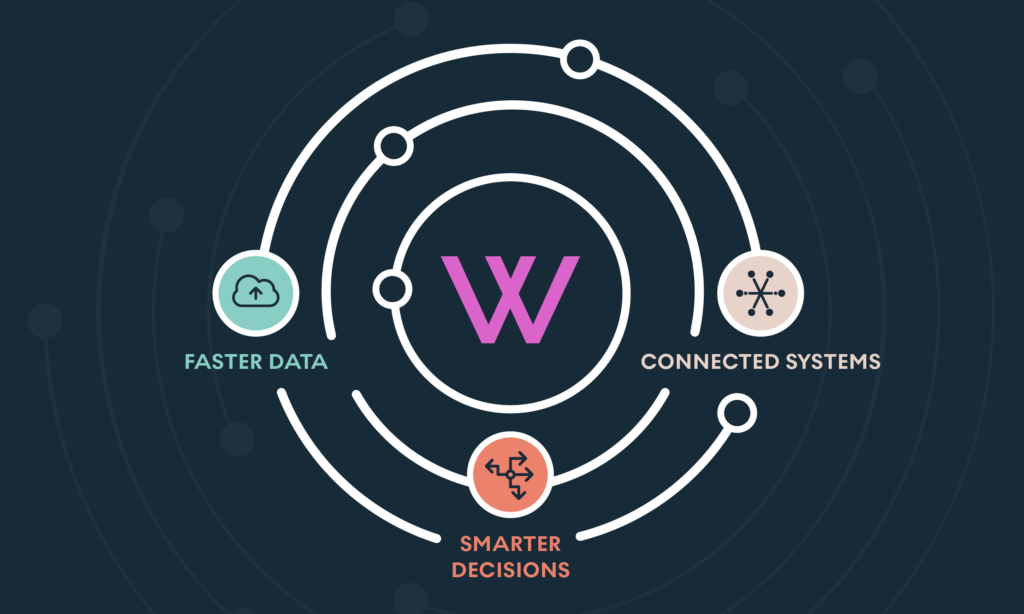
2025 has shown us something important: the pharmacy ecosystem is carrying more pressure than it can comfortably support. Costs climbed, state rules expanded, and legacy systems fell further behind. For payers, PBMs, and manufacturers, the challenge isn’t seeing the problem anymore; it’s acting on it. The organizations that move ahead will be the ones that use real-time intelligence to bring order to a fragmented, high-cost system.
Rising Patient Costs and Growing Complexity
Affordability pressures reached a new high this year. Patient out-of-pocket spending hit roughly $98 billion, a 25% increase over five years (IQVIA). Net medicine spend rose 11.4% to nearly $487 billion even as utilization slowed. Drug inflation, high-cost therapies, and inconsistent benefit design continue to strain employers, plans, and families.
When you layer on state legislation, the environment becomes even harder to manage. Every state now has implemented or pending PBM-related rules that touch transparency, spread pricing, rebate disclosure, or fiduciary requirements. The intent is cost reduction; the outcome is often a patchwork of regulations that make day-to-day administration more complex. Plans now need dynamic intelligence to stay compliant while still delivering cost relief and access across all 50 states.
Cost Trends: The GLP-1 Wave and the Biosimilar Shift
GLP-1 therapies dominated 2025. Demand for semaglutide, tirzepatide, and related products rose more than 50%, expanding beyond diabetes and obesity into broader metabolic and cardiovascular use.
Evernorth’s Pharmacy in Focus report reinforces this acceleration, showing a projected 73.1% increase in GLP-1 utilization for weight loss by the end of 2025, driven by expanded indications, consumer interest, and prescriber willingness. The report also notes that weight-loss therapies accounted for 46.8% of the year’s drug-spend growth, underscoring how GLP-1 demand is reshaping traditional cost curves.
These drugs create measurable health benefits, but at therapy costs upward of $12,000 per patient per year, they also stretch employer and plan budgets beyond their limits.
As a result, the market is shifting away from broad exclusions toward benefit strategies that rely on real-time pricing, eligibility logic, and automated routing to the lowest net-cost channel while still maintaining patient access and meeting compliance requirements. This shift is already taking shape. Earlier this year, we announced a new direct-to-employer access model, developed with manufacturer partners Novo Nordisk and Eli Lilly, to bring consistent pricing, clinical safeguards, and end-to-end support to GLP-1 coverage, reflecting how pricing and access models themselves are evolving to meet demand. This type of approach is projected to save more than $225 million for plans and patients in 2025 by automating those decisions.
At the same time, biosimilars moved into the spotlight. Early adopters that prioritized net cost, not gross rebate, saw 20–35% savings per script. In our latest case study, participating plans cut specialty costs by 14%, accelerated therapy starts by more than 50%, and drove preferred biosimilar adoption above 90%. The takeaway: faster access and lower net cost can work together. Waltz makes that scalable by layering intelligence on top of existing PBM and plan systems.
Technology Outpacing Legacy Infrastructure
Legacy claims platforms were built for static lists, fixed networks, and batch pricing, which leaves them unable to support the fast-changing rules and pace of manufacturer innovation that now define the market. Full system rebuilds are costly and slow. Waltz solves this by layering patient-level analytics and cost-management logic onto what plans already operate, streamlining implementation and reducing risk while giving teams the tools they need right now.
2026 and What Comes Next
1. Published Pricing and the Growth of Direct-to-Consumer Channels
Transparency is increasing, but so is fragmentation. As GLP-1 pricing disclosures expanded, other therapeutic classes followed. Cash-pay sites, manufacturer apps, and online pharmacies are multiplying, offering patients more visibility while creating new coordination challenges for plans. A connected decision layer will determine who can maintain control in this environment, and Waltz serves as that hub between manufacturer, pharmacy, and plan systems.
2. Stronger Manufacturer-Plan Alignment
Manufacturers know brand success depends on access, affordability, and adherence. The Waltz and EVERSANA partnership brings data, patient access capabilities, and commercial insight together so manufacturers can work more directly with plans on cost management and value initiatives. This is a faster, more transparent model than relying solely on traditional PBM intermediaries.
3. Real-Time Analytics Becoming Standard
By 2026, dynamic benefit intelligence will be an expectation, not an enhancement. Quarterly updates and static formularies simply cannot keep pace. Waltz applies AI-driven analytics to route each prescription to the right option, at the right price, with the right level of transparency; this is where the market is moving.
4. A More Connected Path Forward
The winners will be partners that scale quickly, plug in cleanly, and manage affordability and access in real time. The combined Waltz and EVERSANA platform gives payers measurable savings, gives manufacturers a more direct way to deliver value, and gives patients a clearer path to therapy.
A New Standard for 2026
2025 was a turning point as rising costs, expanding regulation, and strained infrastructure made clear that the next chapter in pharmacy benefits will require intelligence that can keep pace with a rapidly shifting market. Real-time analytics, lowest-net-cost routing, and connected access models are poised to define the coming era, and the Waltz and EVERSANA platform is designed to support that transition by delivering measurable savings for plans, faster access for patients, and stronger alignment with manufacturers.
If you’re ready to explore what this could mean for your organization, contact Waltz Health today.

Jeff Park
President

