Why Operational Excellence is Patient Care in Action
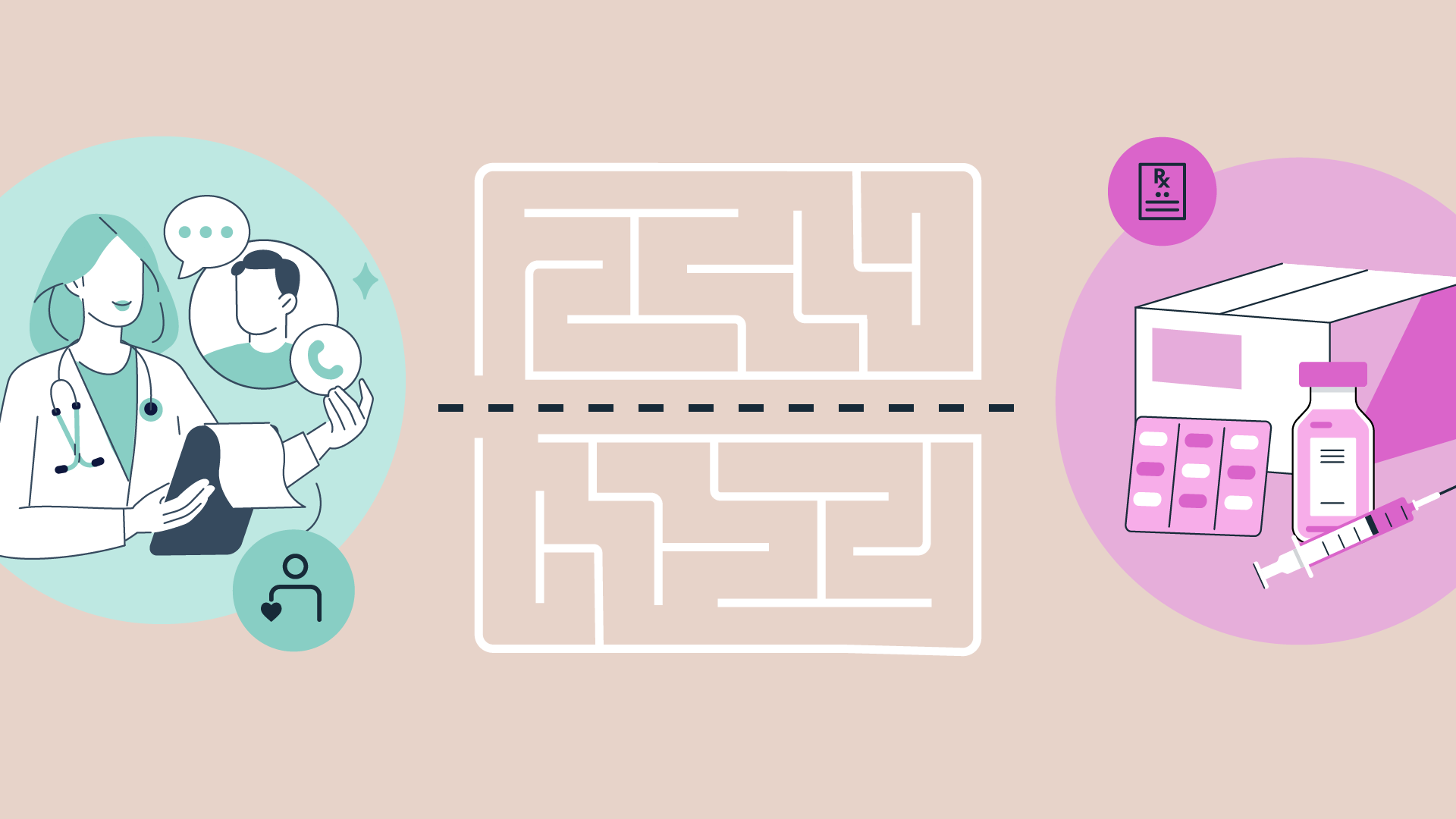
Specialty pharmacy is usually described in operational terms: logistics, technology, benefits, authorizations, routing, dispensing. But behind every one of those steps is a person waiting to start, or continue, critical treatment.
Patient-centered care is part of operations itself, where every step in the process either delivers it or gets in the way. When the process works well, patients are met with less confusion, fewer delays, clearer communication, and a more supported path to therapy. When it doesn’t, everything falls on the patient to figure out alone.
Operational excellence and patient care aren’t competing priorities. Done well, operational excellence is one of the ways we deliver care that’s more compassionate, reliable, and centered on the patient.
Waltz Connect combines technology and personalized support to guide patients through their medication journey. Patient-centered care here means seeing that journey through the patient’s eyes. Each part of it should help patients move forward with clarity and confidence so they understand what comes next and the experience feels supported rather than fragmented.
The person behind the prescription
Specialty patients are often managing complex diagnoses, new information, uncertainty, and competing responsibilities all at once. The pharmacy experience should reduce that burden, not add another layer of confusion to it.
This is not abstract to us. One of our patients had recently switched insurance plans and found herself falling behind on her psoriasis treatment, facing the prospect of restarting with loading doses and unsure what any of it would cost her. Our pharmacy specialists took the time to walk her through her new coverage, explain her copay assistance options, and personally guide her through enrollment, ultimately lowering her out-of-pocket costs significantly.
The result was a patient who felt informed, supported, and confident about what came next. That’s the kind of care our pharmacy specialists aim to deliver with every patient.
Time is an element of the standard of care
For specialty patients, receiving a prescription is only the beginning. Prior authorization, affordability, pharmacy network requirements, clinical criteria, and other barriers can each stand between a treatment decision and starting therapy, and every unnecessary delay affects how quickly a patient can begin care.
Our GLP-1 program is a good example of this in practice. By building a more streamlined access model and removing steps that can delay therapy, we’ve been able to help patients begin treatment much more quickly, averaging just 3 days from prescription to fulfillment. That’s operational excellence translating directly into patient care: the less time patients spend navigating administrative hurdles, the more time they can spend focusing on their health.
Patients shouldn’t have to navigate complexity alone
Specialty pharmacy can be genuinely difficult to understand, even for healthcare professionals. A strong pharmacy experience creates clarity by helping patients understand what happens next, who’s working on their prescription, whether they need to do anything, and when they can expect their medication. Affordability matters just as much; a medication a patient can’t afford is, in practical terms, not accessible to them at all. Identifying an affordable path to therapy can be the difference between a treatment that starts, and one that doesn’t.
None of this works if communication feels fragmented. Proactive updates, plain-language explanations, clear ownership of what happens next, and flexible ways to engage may seem like small things on their own, but together, they help patients stay informed in a way that fits naturally into their day and make the process feel purposeful instead of confusing.
Every patient’s pathway looks a little different
There’s no single “right” way through specialty pharmacy. Our model uses technology and routing criteria to match each patient to the dispensing option based on their coverage, access needs, and cost, rather than sending every prescription down the same road regardless of whether it works for them. Behind the scenes, the routing technology works hand in hand with our experienced pharmacy specialists who help navigate plan requirements and resolve access barriers that could delay therapy. This combination of intelligent technology and personalized support helps ensure patients get where they need to go faster and more efficiently.
It’s also why we look beyond the usual measures of success. Calls handled and prescriptions processed are valuable data points, but on their own they don’t tell the full story. Patient-centered operations should also look at time to therapy, increased access, affordability, adherence, and barrier resolution. Those metrics tell us whether we’re getting faster and more meaningful for patients, not just one or the other.
Pharmacy professionals turn treatment plans into accessible therapy
Working directly with patients is a good reminder that what we do goes well beyond the steps between prescribing and dispensing. In specialty pharmacy, clinical review, insurance coverage, affordability, and coordination all have to come together before a patient can start and stay on therapy. It takes real partnership across prescribers, pharmacies, payers, manufacturers, patient-support programs, pharmacists, technicians, and operations teams.
Operational excellence and patient care are deeply connected priorities in specialty pharmacy. Every day, our teams work behind the scenes to help patients feel confident in their medication journey. That is patient-centered care in action, and we’re especially grateful for the team members behind Waltz Connect who bring their expertise, persistence, and commitment to that work.

Paula Farina
VP, Pharmacy Operations

